Kelley's Sewage Cleanup
Mount Union, IA · 52644 Basements · Bathrooms · Crawl Spaces · Businesses

Sewage Damage Cleanup in Mount Union, IA Near Me

Sewage that reached carpet, walls or cabinets needs tear-out and drying. A local crew handles the damaged materials.

Sewage Backup Cleanup
Local Cleanup Crews
Category 3 Procedures
Homes and Businesses

Sewage damage cleanup is what comes after the water is gone. The floor might look dry by tomorrow, but sewage soaks into carpet pad, the bottom edge of drywall, baseboards and cabinet toe kicks, and that is where the smell and the moisture stay. We connect you with local crews in Mount Union, IA that measure the damage and remove what can't be saved.

How far the damage goes

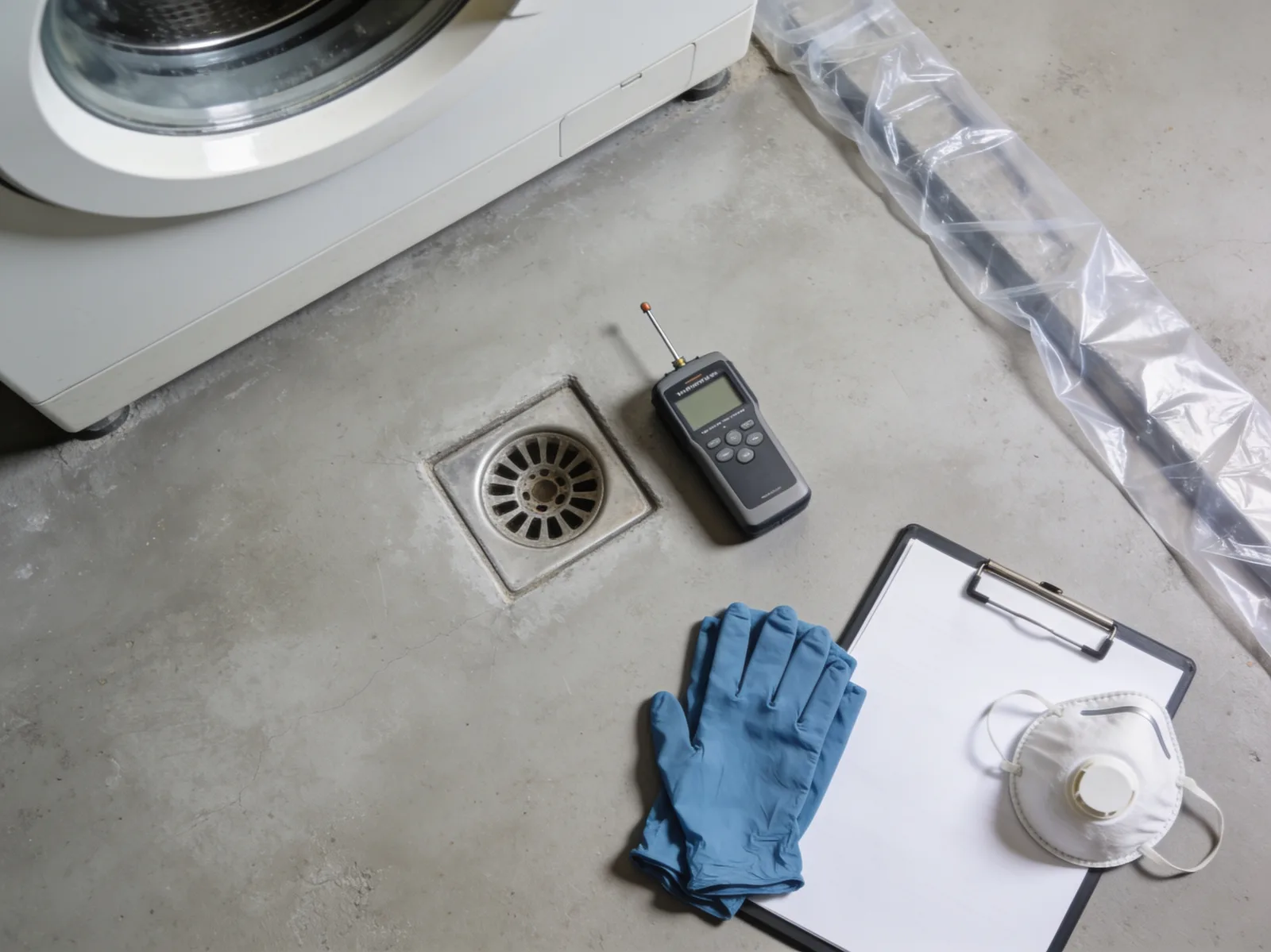
Water wicks. Drywall can pull moisture up well past the visible stain line, and wood subfloors soak up water at the seams. A good crew maps the damage before cutting anything, using a moisture meter on walls and a thermal camera to spot cold, wet areas. That map decides where the cut line goes and which rooms need drying equipment. In finished basements, wall cavities often hold insulation that acts like a sponge, so the crew checks behind the paneling too.

Materials that usually come out

  • Carpet and pad that the sewage touched
  • Drywall and insulation below the cut line
  • Particleboard cabinet bases and laminate flooring that swelled
  • Upholstered furniture, mattresses and stored paper goods

Solid wood, tile, concrete and metal are usually cleaned and disinfected in place. Our page on drywall removal after sewage goes deeper on the wall side of the job.

Drying and checking

After tear-out, the crew sets air movers along the walls and a dehumidifier sized to the space. Drying times depend on humidity, temperature and how wet the structure got, and three to five days is common. The crew should take readings each visit and leave equipment until materials hit dry targets. Rebuilding before then risks trapping moisture behind new drywall, which is how mold problems start. If you are rebuilding with a contractor, hand them the final readings so they know the framing was checked before the walls closed up.

Cost factors

Expect the bill to reflect the affected area, the depth of the water, the amount of tear-out and disposal, the number of drying days and whether finished rooms were involved. Contents handling adds to it, as does working around appliances like a furnace or water heater that sit in the wet area. Ask the crew to explain each line before they start. If you also need the standing water handled, see sewage removal, and for disinfection detail, read about sanitizing after sewage.

The cause of the backup may need a plumber, and the cleanup crew can tell you what they found at the drain. Keep children and pets away from the area. Call (217) 404-1483 to reach a local crew for sewage damage cleanup in Mount Union, IA.
How cleanup works

Four steps to a clean, dry space in Mount Union, IA

01

Stop the water

Shut off every fixture, keep kids and pets out, and take photos from a dry spot. Then call and tell us where the sewage is.

02

Get matched with a crew

We connect you with a local sewage cleanup crew covering Mount Union, IA and you go over the scope, timing and price with them.

03

Extract and remove

The crew pumps out the sewage, bags solids and cuts out carpet, pad and drywall that soaked it up.

04

Disinfect and dry

Hard surfaces get cleaned and disinfected, then air movers and dehumidifiers run until moisture readings show dry.

Coverage

Sewage Cleanup Across Mount Union, IA

Sewage backup cleanup across the neighborhoods and ZIP codes around Mount Union, IA.

ZIP codes we serve

52644
Sewage Damage Cleanup in Mount Union, IA

Sewage cleanup FAQs

Frequently asked questions about sewage cleanup

Questions we hear most about Sewage Damage Cleanup in Mount Union, IA.

Talk to a real person
Does homeowners insurance cover sewage backup?
<p>Often not by default. Many standard homeowner policies exclude water that backs up through drains or sewers unless a sewer backup or water backup endorsement was added. Check your declarations page or call your agent. If you do have coverage, document everything before cleanup starts: photos, video, a list of damaged items, and the date and weather. Keep damaged items until the adjuster says otherwise, and ask the cleanup crew for moisture logs and a written scope. That paperwork helps either way.</p>
How do I get rid of a sewer smell after a backup has been cleaned?
<p>A lingering smell usually means something is still wet or contaminated: carpet pad left in place, drywall that wicked higher than anyone checked, or damp framing. Moisture readings help find it. A dried-out floor drain trap can also let sewer gas in, and pouring water down the drain often fixes that. Deodorizing only works after the source is gone. Our page on <a href="/services/sewage-odor-removal">sewage odor removal</a> explains how crews track the smell down.</p>
What is the difference between a sewer backup and a septic backup?
<p>A sewer backup happens on homes connected to a public sewer, when the lateral or the city main can't carry the flow. A septic backup happens on homes with their own tank and drain field, when the tank is full or the field stops absorbing. Inside the house, the cleanup is similar. The fix is different: a plumber or the sewer utility for a sewer line, a septic contractor for the tank. See <a href="/services/septic-backup-cleanup">septic backup cleanup</a> for how those two jobs fit together.</p>
Does drywall have to be removed after a sewage backup?
<p>Drywall that absorbed sewage is usually removed. Gypsum and its paper facing soak up water and wick it upward, and contaminated drywall can't be reliably disinfected. Crews measure the wet line with a moisture meter and make a flood cut a foot or more above it. Insulation inside the wall comes out too. The studs usually stay, and get cleaned, disinfected and dried before new drywall goes up. Details are on our page for <a href="/services/sewage-damaged-drywall-removal">sewage damaged drywall removal</a>.</p>
Can I use bleach to disinfect after a sewage spill?
<p>Bleach has limits here. It breaks down when it hits organic matter, so it works poorly on a floor that hasn't been cleaned first. It does nothing for porous materials like carpet pad or drywall, which need to come out. And mixing it with ammonia-based cleaners releases dangerous fumes. Crews clean surfaces with detergent first, then apply an EPA-registered disinfectant and leave it for the contact time on the label. If you are tempted to bleach it and move on, call (217) 404-1483 first.</p>

Book sewage cleanup

Sewage Backup in Mount Union, IA? Call now.

Tell us where the sewage is and we connect you with a cleanup crew covering Mount Union, IA. Scope, timing and price are gone over on the call. (217) 404-1483.

Call (217) 404-1483 Services